


Experience Is the New Competitive Advantage
Thriving in the AI Era
By Jenna Marino | Founder & Design Director, AGNT
AI is changing how we work. But after nearly 30 years of designing, building, and figuring things out, I’ve realized something: The tools keep changing. The value of experience doesn’t.
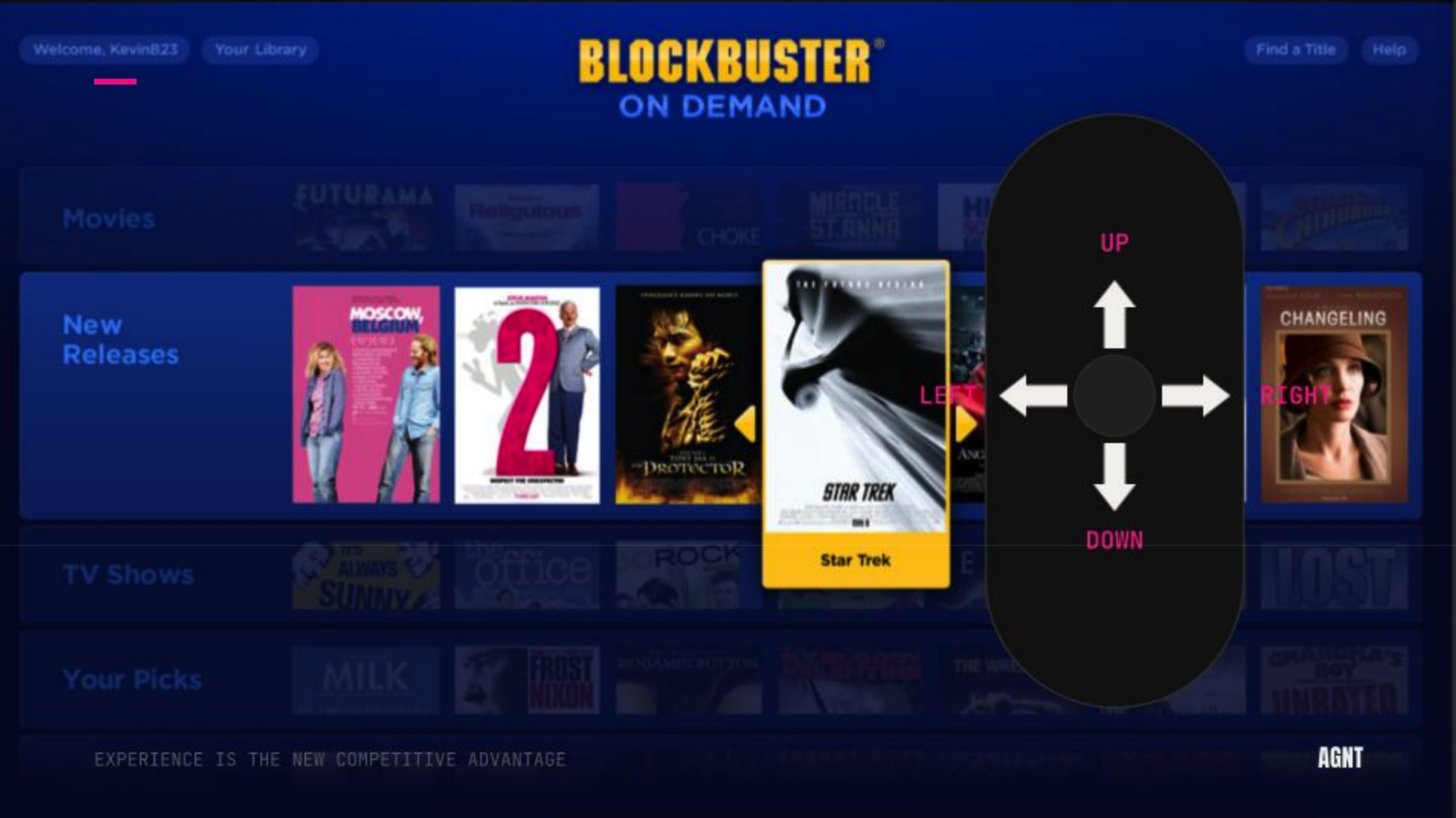
I’m Gen X. I started designing when cutting and pasting involved actual cutting and pasting. Since then, I’ve worked across print, marketing, technology, television, and digital products. I’ve designed experiences for emerging technologies, including early streaming television, where creating an intuitive interface meant working with a remote control that had four directional buttons.
No mouse. No hover states. Just up, down, left, and right. Try designing a user experience with that.
I’ve also moved between industries, organizations, and cities more times than I can count and somewhere along the way, I realized something about my career. I’ve worked in a lot of different businesses. But really, I’ve always been in the same business.
The business of figuring things out.
Today, as the founder of AGNT, I work as a fractional design and strategy leader. I help organizations solve complicated problems, often in industries where I’m not the subject-matter expert. And increasingly, I’m using AI to do that work.
But not in the way you might think.
What Bartending Taught Me About Design
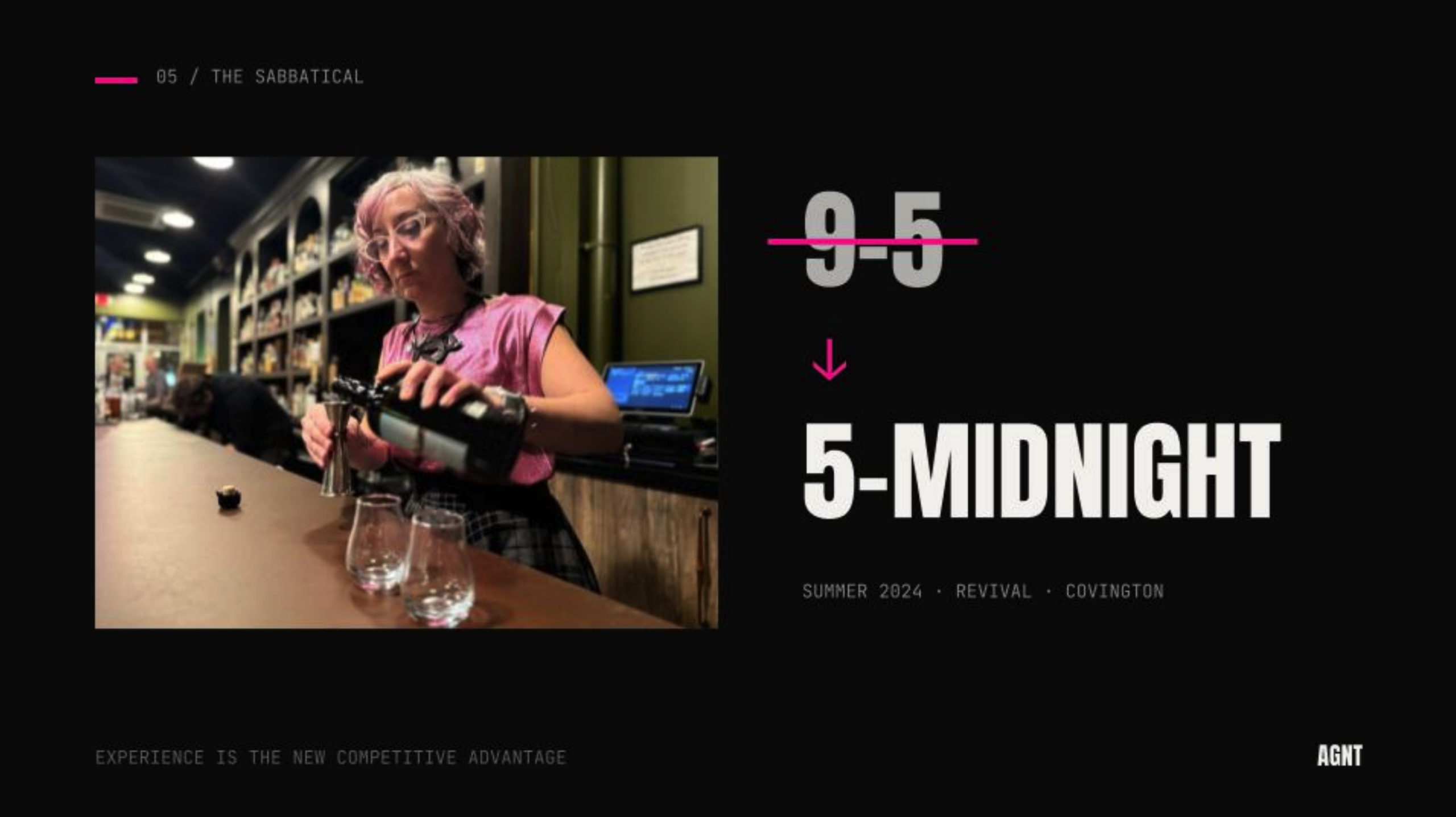
In the summer of 2024, I was burned out. After decades of staring at screens, I decided to take a break from the blue light and spend some time doing something completely different.
I started bartending. My nine-to-five became five-to-midnight. At first, I didn’t know what went into a Manhattan. I did, however, become pretty proficient at making an Old Fashioned. What started as a few daytime shifts at Revival, a bar in Covington, Kentucky, turned into busy weekend nights. And if you’ve ever worked behind a bar on a Saturday night, you know that things can go sideways pretty quickly.
You’re managing customers, staff, personalities, expectations, competing priorities, and whatever happens to be going wrong at that exact moment, sometimes all at once.
Here’s what surprised me: I was using the same skills I’d developed throughout my design career. Reading people. Anticipating needs. Making decisions without having all the information. Adapting when the original plan falls apart.
The stakeholders had changed, but the game was remarkably similar.
And when I returned to design work, I brought something new with me. A much more immediate understanding of what it’s like to operate a small business, manage limited resources, and make decisions when there simply aren’t enough hours in the day. I didn’t know it at the time, but that experience would become particularly valuable in my next big project.
A Campaign, a Bridge, and a Slightly Unfortunate Interpretation
AGNT has worked with the City of Covington since our first year, developing impact reports and expanding into other communications and creative initiatives.
When major bridge construction threatened to disrupt traffic and potentially hurt local businesses, the city needed a way to encourage people to keep visiting, shopping, dining, and spending time in Covington. On the surface, it sounded like a marketing challenge,bBut I knew it was more complicated.
I’d recently been on the other side of the bar. I understood that these business owners weren’t sitting around waiting for someone to hand them another marketing initiative. They were dealing with staffing, rising costs, long hours, and a hundred competing priorities. They didn’t necessarily want to discount their products when margins were already tight. And they definitely didn’t need another thing on their to-do lists.
The importance of listening
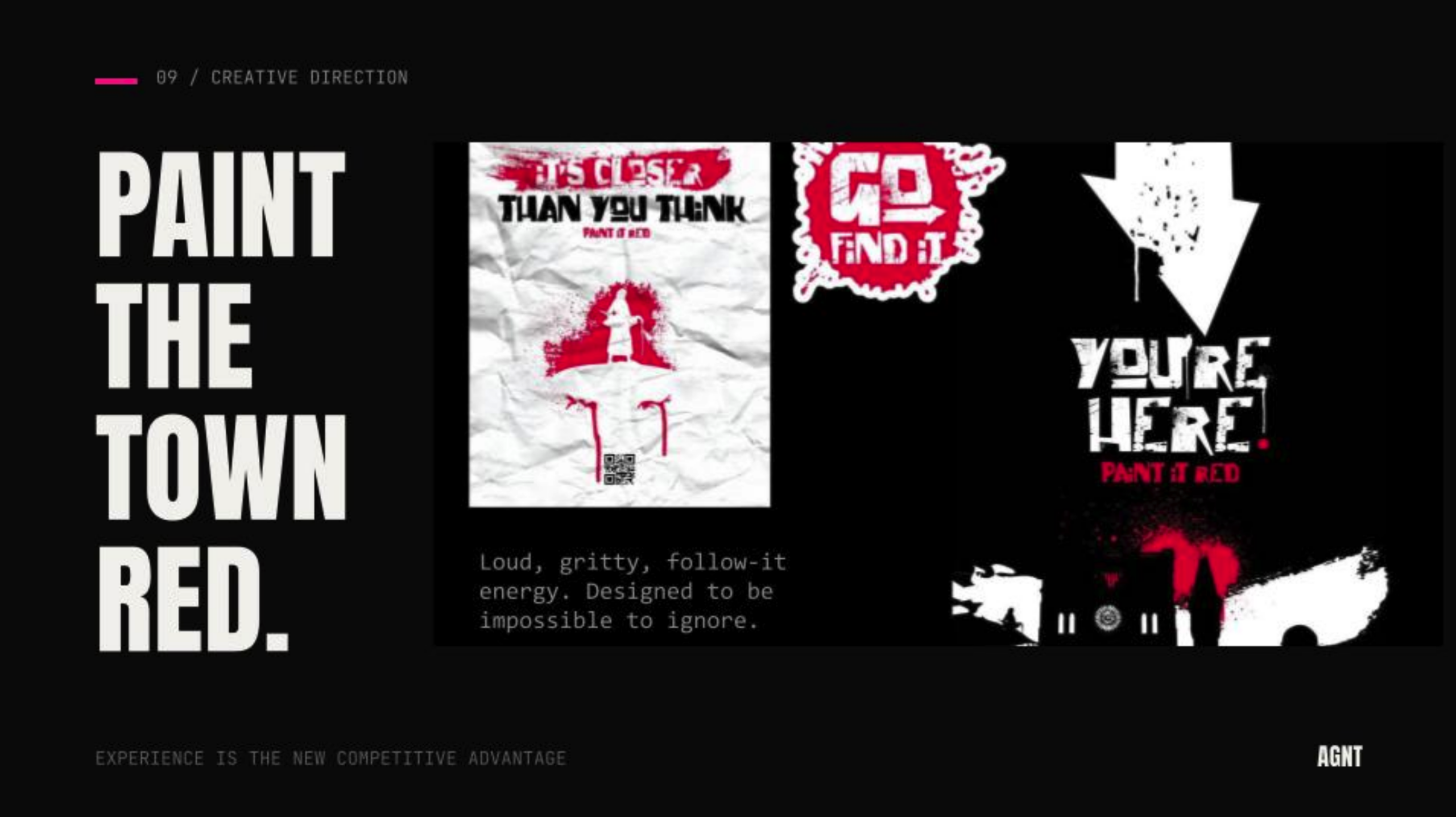
We began with research, stakeholder conversations, and exploratory creative concepts. One of our early directions was built around the phrase “Paint the Town Red.”
We thought: energetic, exciting, memorable. Some stakeholders thought: murder. Not exactly the tourism message we were going for. But that feedback was incredibly useful. It told us something important about the difference between what we intended to communicate and what people actually experienced.
So we listened.
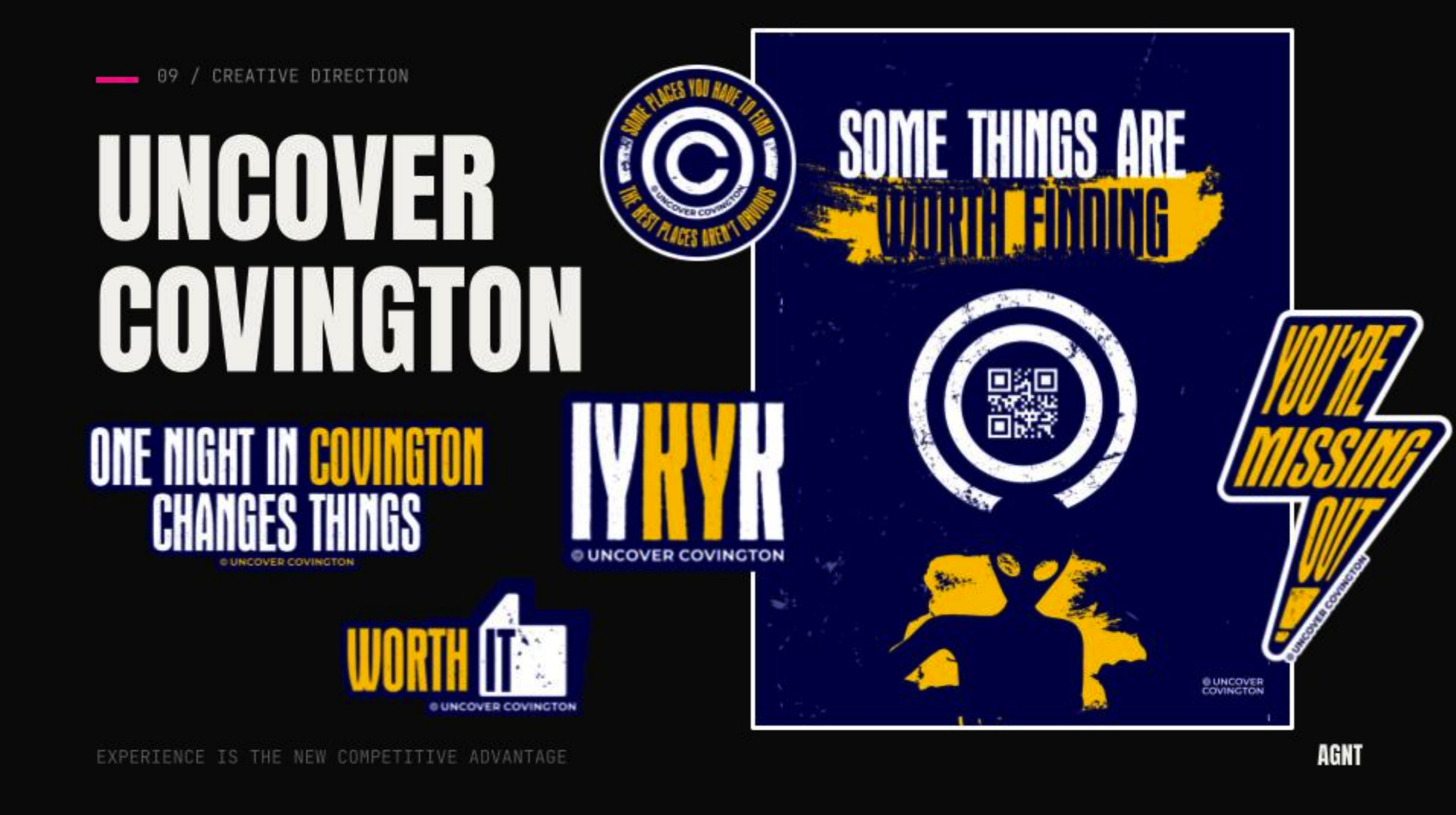
We reconsidered the creative direction and explored messaging that leaned into curiosity, discovery, and the idea that Covington was worth the effort of visiting.
Phrases like “Worth It,” “You’re Missing Out,” and “You Found It” helped inform that exploration.
We also moved away from red toward an electric-yellow visual direction that better aligned with the city’s identity and the campaign’s sense of discovery. The resulting Uncover Covington campaign became less about making noise and more about encouraging people to find something they might otherwise overlook.
And this is where AI became a particularly useful creative partner.
Meet Chet: My Very Enthusiastic AI Intern
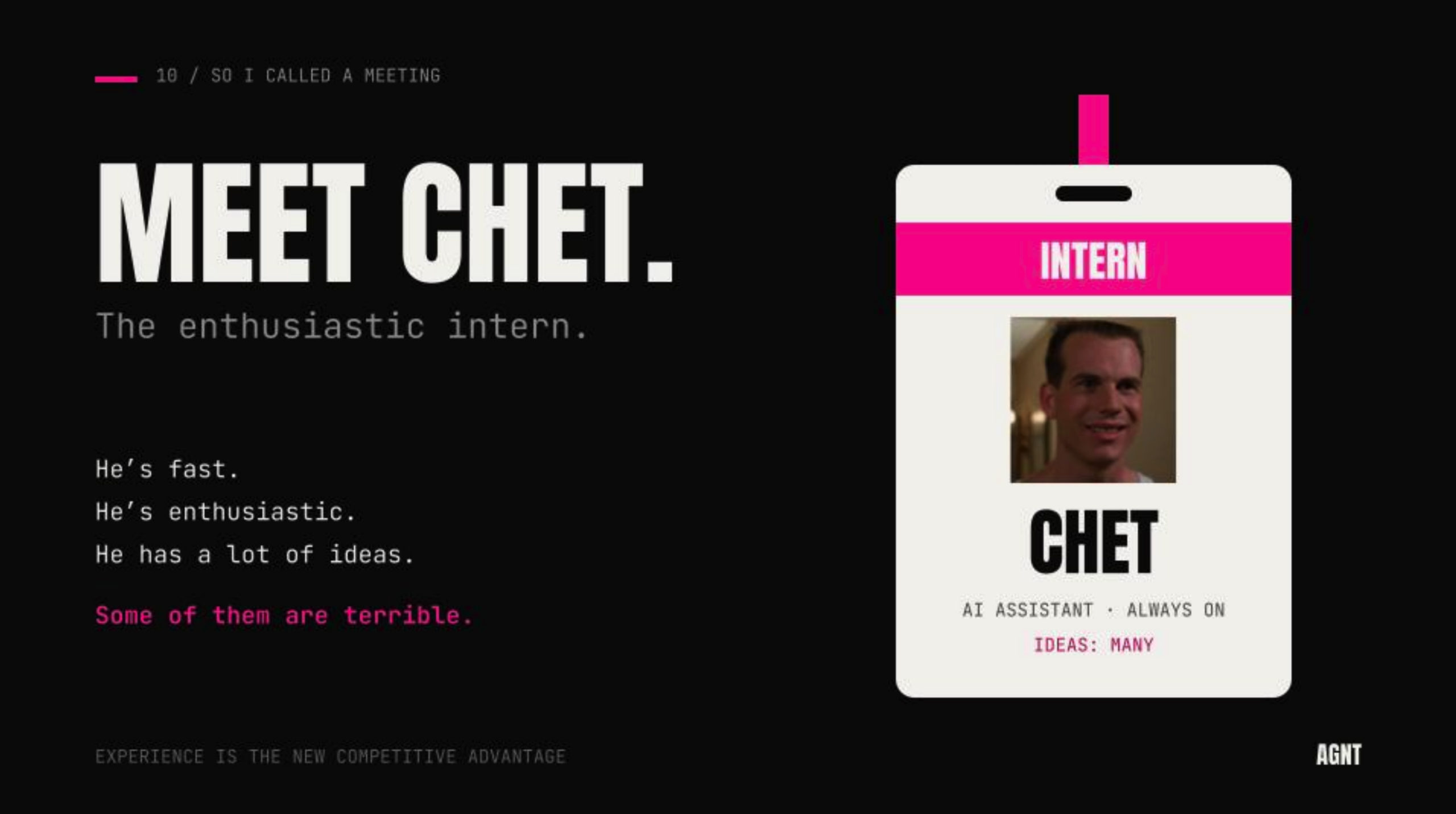
I call my AI assistant Chet. He’s basically my intern. He’s fast. He’s enthusiastic. He has a lot of ideas.
Some of them are terrible. But with the right direction—and a fair amount of redirection—we can get to useful solutions much faster. I don’t use AI because I don’t know how to do the work. I use it because I have a pretty good idea of what needs to get done, and I’d rather spend more time thinking about the problem than wrestling with every step of production.
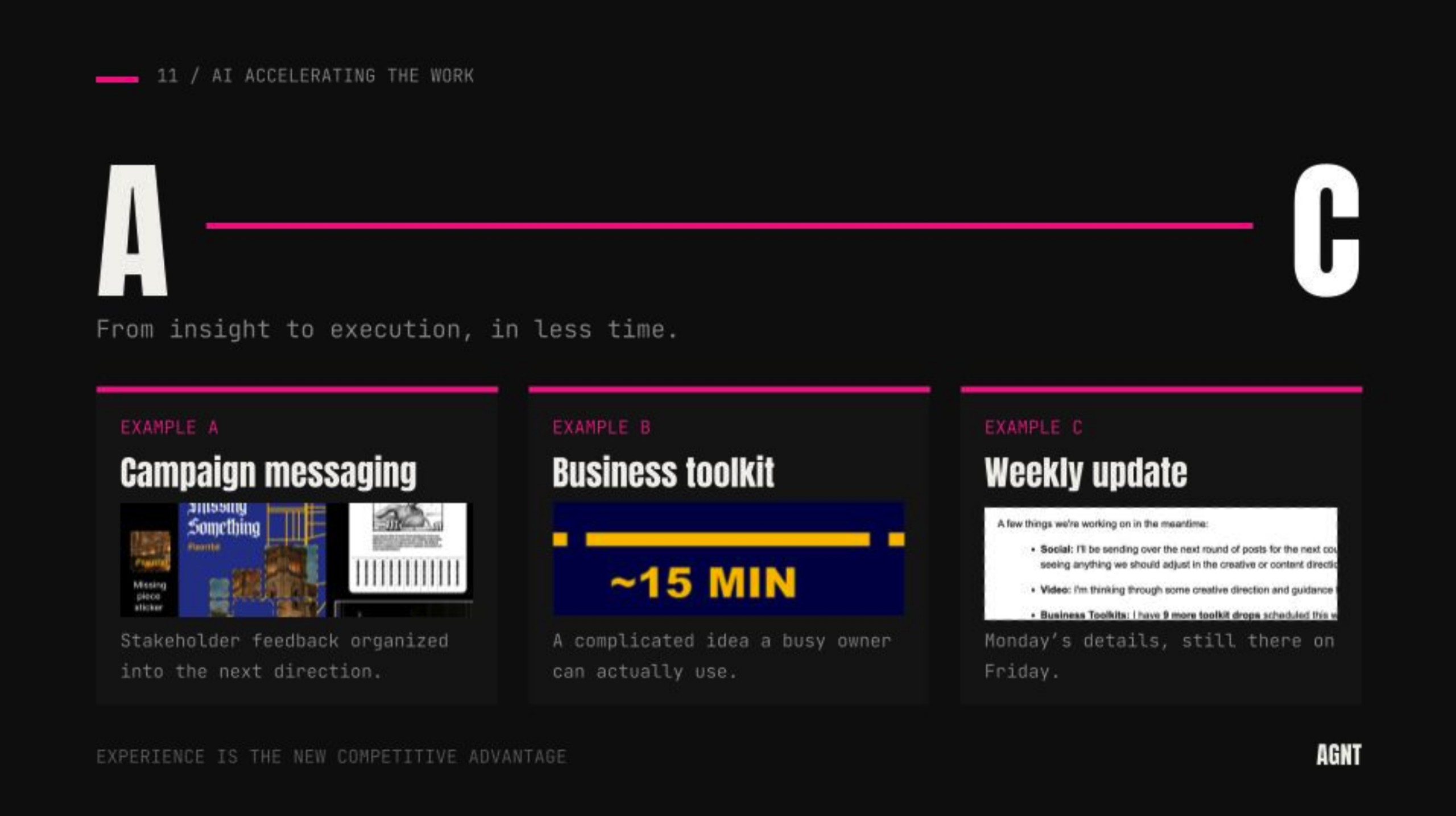
With Uncover Covington, that showed up in three ways.
1. Getting from feedback to better ideas
After our stakeholder sessions, we had a lot to work through.
Different audiences. Conflicting opinions. Campaign concepts. Business concerns. Messaging directions. Tight timelines. I used AI to help organize feedback, explore alternative language, and work through how different ideas could fit together. We could quickly test variations of a headline, consider different approaches, and connect individual ideas into a broader messaging system.
But here’s the distinction:
AI could generate alternatives. It couldn’t tell me which ones were right for Covington without the context I provided.
I’d been in the meetings.I’d heard the concerns. I understood the local businesses, the campaign objectives, and the practical constraints. AI helped me explore possibilities faster. My experience helped me recognize which ones were worth pursuing.
2. Realizing our helpful toolkit was becoming another job
Once we had the campaign direction, we needed businesses to participate. So we started developing a toolkit. Social media assets. Promotional materials. Business communications. Opportunities to submit events and get featured. All kinds of helpful stuff. Except we were asking already overworked business owners to do more work. And I kept coming back to one question:
If I were managing a bar right now, would I actually have time for this?
Probably not. So Chet and I kept simplifying. We worked through shorter communications, clearer instructions, more practical participation options, and ways to reduce the effort required.The shift was important.
Instead of saying, Here’s everything you need to do to help promote our campaign, we wanted to communicate something closer to:
We’re helping promote your business. Here’s an easy way to get involved.
And then we ran into another challenge. Businesses weren’t consistently submitting their events. But they were already posting those events on Instagram. So why were we asking them to enter the same information somewhere else? We began exploring a workflow using AI to help bring information from existing social posts into our WordPress event system. The goal is to meet businesses where they’re already doing the work instead of creating another place where they have to do it. That workflow is still being developed, but the thinking behind it is straightforward.
Sometimes the best way to improve an experience is to stop asking people to do so much.
AI helped us iterate on the materials and explore ways to streamline the process. But my bartending experience helped me recognize the problem in the first place.
3. Spending less time reporting and more time doing
Then there’s the part of consulting that nobody puts in the case studies. Weekly status reports. Project updates. Recapping decisions. Keeping stakeholders informed. All necessary. Not always the most exciting part of the job.I started using AI to help organize the work we’d accomplished, summarize progress, and draft updates based on the actual project materials and activity I provided.
It made those communications much faster to assemble and review.That gave me more time for the work that required my attention: strategy, relationships, problem-solving, and making decisions. Across all three examples, the principle was the same.
I wasn’t outsourcing the thinking. I was trying to spend less time on the mechanics so I could do more of it.
Different Industries. Same Skills.
Today, I might be working on information architecture for a healthcare analytics company like Arcadia, designing AI-powered conversational experiences for Salesforce, or helping a startup figure out its product strategy, and then I might spend my evening figuring out how to build a glowing jungle tunnel for BLINK.
On paper, these projects have almost nothing in common, but the underlying work is surprisingly similar. I walk into an unfamiliar situation.I ask questions. I listen. I connect the dots.I figure out where the actual problem i and I help people move toward a solution.
I don’t have 30 years of experience in every industry I work in.
I have 30 years of experience figuring things out.
And AI helps me apply those skills faster, across more challenges.That’s where I see the real opportunity, not replacing the experience we’ve accumulated, but finding new ways to use it.
Collect Experiences, Not Just Expertise
Here’s something I’d encourage anyone earlier in their career to consider.Absolutely learn AI. Experiment with the tools. Get curious. Try new technologies.I was into NFTs and Bitcoin for a hot minute. You don’t have to commit to everything you explore. But don’t spend all your time collecting technical skills.
Collect experiences.
Take the weird job. Try something outside your degree. Work with people who don’t think like you. Put yourself in situations where you don’t know exactly what you’re doing. Make mistakes. Let people wonder why the hell you’re working at a bar.
Because those experiences add up.
You start recognizing patterns. You get better at reading situations. You learn what questions to ask and when something doesn’t feel right. You learn how to make decisions when there’s no obvious answer.
That’s judgment.
And judgment becomes more valuable, not less, when technology can generate an overwhelming number of possible answers. If you’re further along in your career, don’t underestimate what you’ve already learned.
The difficult clients. The failed projects. The unexpected career changes. The things you figured out because nobody else knew what to do. Those experiences have value. Even when they don’t fit neatly into a résumé.
Don’t Outsource Your Intelligence
Here’s the part of AI that I think deserves more attention. As these tools become more capable, it’s increasingly tempting to let them do more of our thinking and I understand the appeal. Why spend an hour working through something when AI can give you an answer in seconds? But there’s a difference between using AI to help you think and letting it think for you.
I don’t want to become so dependent on a tool that I stop questioning its answers. I don’t want to lose the ability to recognize when something doesn’t make sense. And I certainly don’t want to stop developing the skills that have made me valuable throughout my career.
So yes, use AI. Let it organize the chaos. Let it challenge your ideas. Let it help you explore possibilities and execute faster, but stay involved. Ask better questions. Challenge the output. Bring your own perspective. And keep putting yourself in situations where you have to figure something out.
Because the value of experience isn’t simply knowing how things have been done before. It’s knowing how to approach something you’ve never encountered. AI can help close the gap between knowing what you want to accomplish and actually getting it done. But you still need to know where you’re going.
Experience Is Your Advantage. AI Is Your Amplifier.
I’ve watched technology change almost every aspect of the work I do and I expect it to keep changing. I don’t see AI as something that makes my experience irrelevant. I see it as something that allows me to use that experience in ways I couldn’t before. I can explore more ideas, work across more complex challenges, and spend more time on the parts of my work that require human understanding.
But I also know that I have to keep learning. Keep experimenting. Keep asking questions. Keep doing things that make me uncomfortable. Because experience isn’t something you finish accumulating after a certain number of years.It’s something you keep building.
AI is going to keep getting smarter. Make sure you do, too.
Put Your Experience to Work
You don’t need to completely reinvent how you work to get more value from AI. Sometimes it’s just a matter of asking better questions.
Here are three worth considering:
1. What am I asking AI to do that I should still be thinking through myself?
There’s a difference between automating a task and outsourcing a decision. Let AI help you explore possibilities, but don’t skip the part where you question the results, consider the context, and make the call.
2. Where could AI remove unnecessary work for the people I’m designing for?
The best use of technology isn’t always creating something new. Sometimes it’s eliminating steps, simplifying communication, or making an existing experience easier. Think about the people on the receiving end of your work. What would actually make their lives easier?
3. What unfamiliar experience could make me a better problem-solver?
Not every valuable career experience comes with a promotion, certification, or impressive job title. Sometimes the unexpected opportunities teach you the most. Get outside your comfort zone. Work with different people. Try something you don’t already know how to do.
The takeaway: Use AI to expand what you can accomplish, but keep investing in the experiences that make your perspective valuable.
Have Something Complicated to Figure Out?
That’s the kind of work I love.
Through AGNT, I partner with organizations to make sense of complex challenges and turn them into thoughtful brands, products, and digital experiences.
Sometimes that means defining a strategy. Sometimes it’s untangling a complicated user experience. And sometimes it’s helping a team figure out what problem they should actually be solving.
Different industries. Different challenges. Same curiosity.
Jenna Marino is the founder and design director of AGNT, where she works as a fractional design and strategy leader across brands, products, and digital experiences. This article expands on her WITCON 2026 talk, “Experience Is the New Competitive Advantage: Thriving in the AI Era.”